
Cisco EMEA DC TAC Workshop 2026
In October 2026, the Cisco EMEA Data Center TAC Workshop took place at the Cisco campus in Oeiras, Portugal, as well as via Webex broadcast. The event brought together Cisco TAC experts, architects, and data center engineers to exchange practical experience, best practices, and advanced troubleshooting techniques for modern data centers. Special focus was given to Cisco ACI, Nexus, UCS, Kubernetes environments, as well as the latest developments in automation and security.
One of the central workshop topics was troubleshooting in Cisco ACI environments. A structured diagnostic approach was presented, based on validating configuration changes, monitoring events and alarms, and analyzing Health Score metrics. Cisco TAC highlighted the use of advanced tools such as Endpoint Tracker, Atomic Counters, ELAM, SPAN/ERSPAN, and the Pre-Upgrade Validation Script.
A significant portion of the program focused on new Cisco ACI platform capabilities, including SPAN to CPU, ESG for L3Out, and APIC Warm Standby. Multisite Policy Based Redirect (PBR) and migration of existing EPG policies to the ESG model were also presented.
In the networking domain, the implementation of ESI Multihoming in VXLAN EVPN environments and VXLAN GPO was presented, enabling separation of security policies from network connectivity.
Considerable attention was given to integrating Cisco ACI with Kubernetes environments through the Cilium/Isovalent platform. Various routing approaches were demonstrated, ranging from overlay networking to BGP integration and hybrid designs.
The workshop also covered methods for upgrading Cisco UCS environments, telemetry monitoring, and management of AI infrastructure on the UCS X platform.
A particularly interesting session covered Cisco NX-OS Live Protect, which enables protection against known vulnerabilities without requiring an immediate software upgrade.
The event was complemented by an extensive set of hands-on labs covering VXLAN EVPN, ACI, Ansible, Terraform, Nexus Dashboard, and UCS.
Key Takeaways
- A structured TAC approach reduces troubleshooting time in ACI environments.
- ESG is becoming an important building block of future ACI architectures.
- ESI Multihoming represents an alternative to the traditional vPC approach.
- ACI and Cilium enable unified policy management.
- NX-OS Live Protect introduces a new vulnerability protection model.
- Automation with Ansible, Terraform, and Nexus Dashboard is becoming the standard.
ACI ESG in Multisite PBR
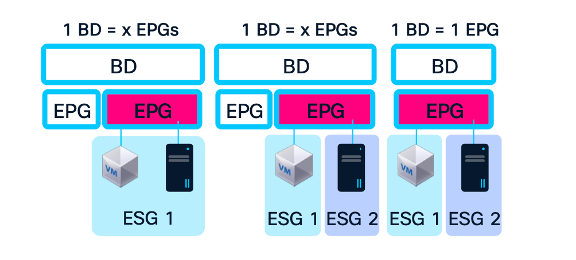
ESG represents the evolution of the traditional EPG model in Cisco ACI. In this architecture, security policies are separated from network segmentation, enabling significantly easier management of application communication policies. Integration with Policy Based Redirect allows selected traffic to be steered through security services without changing the application design itself.
VXLAN GPO
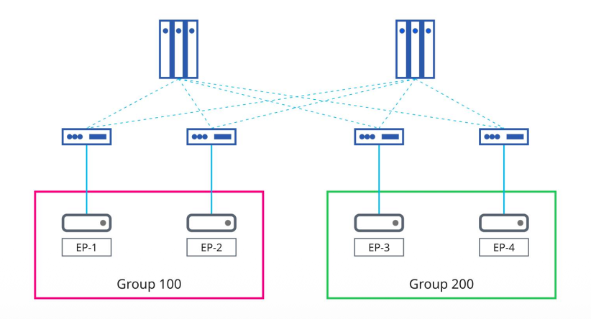
VXLAN Group Policy Option carries identity and security context together with network traffic across the EVPN fabric. This allows the network to enforce policies based on the identity of the application or workload rather than solely on IP addresses.
ACI and Kubernetes Cilium/Isovalent
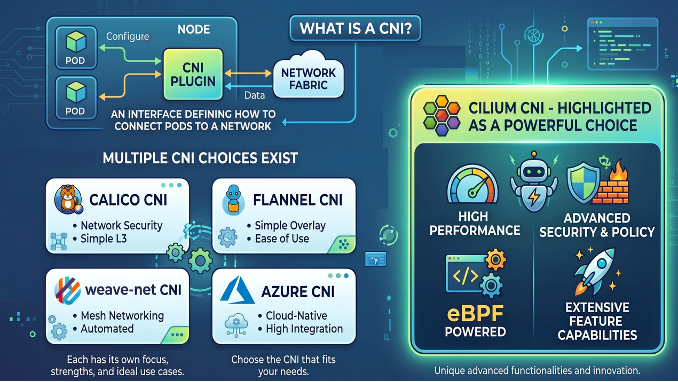
The integration of Cisco ACI and Cilium creates a unified security model between the physical network and Kubernetes environments. Operations teams can consistently manage policies from the container level all the way to the data center, reducing complexity and improving traffic visibility.
Nexus ONE
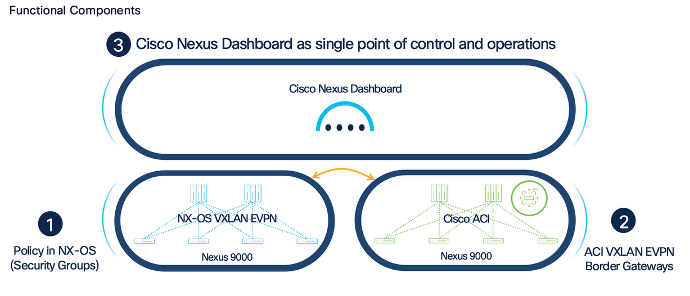
Nexus ONE is a unified operational platform for network management, telemetry, automation, and security. The architecture is designed to reduce operational costs and decrease troubleshooting time in complex environments.
NX-OS Live Protect
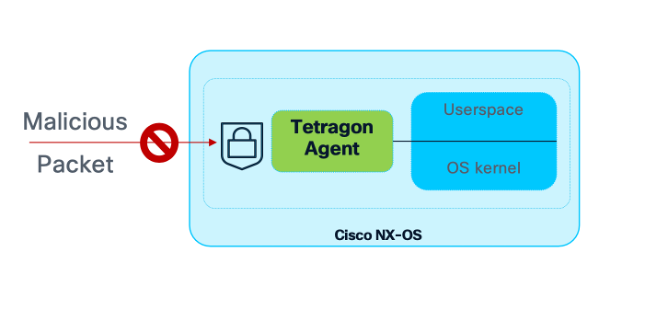
NX-OS Live Protect uses eBPF and Tetragon technologies to provide dynamic system protection. It enables organizations to respond more quickly to security vulnerabilities and reduce risk during the period between vulnerability disclosure and the next planned maintenance window.
Conclusion
The workshop confirmed the industry trend toward automated, software-defined and identity-driven data centers. The technologies presented provide practical guidance for the continued evolution of modern Cisco data centers and for improving operational efficiency, security, and service availability.
